Hardening a legacy PHP app without rewriting it
An academic PHP and MySQL store that worked, but had SQL injection, unvalidated uploads, user data in the repository and a tracking script hidden in the template. Ten fixes, verified with end-to-end tests.
Context
GYMWARRIOR is a web store I built at school in 2024: catalog by category, sign-up and login, guest mode, cart, test checkout with the PayPal sandbox and an inventory dashboard. It is plain PHP with no framework, on MySQL.
In 2026, reviewing my GitHub before job hunting, I found the public repository contained a database dump with real user emails and a Google Maps key. I made it private right away and set a more useful goal than deleting it: get it to a state I could defend in an interview.
Why it “didn’t show”
First I reproduced it. GitHub shows code but doesn’t run PHP, so the repository looked “broken”. I set up PHP and MySQL locally, loaded the schema and confirmed the original code did work: the home page rendered and the catalog, without a database, ended in a fatal error. Nothing needed a rewrite to work; what was wrong needed fixing.
What I found
| Issue | Risk |
|---|---|
| Sign-up built SQL from user input | SQL injection |
| A page that created an admin with a fixed password when visited | Anyone could create an admin |
| Unvalidated image uploads | A .php disguised as .jpg was stored and could run |
| No CSRF token; product deletion via GET | Forged actions from another site |
| Unescaped output | XSS |
.env served by the web server |
Credentials visible to anyone |
| External tracking script in the HTML template | Remote code running on every visit, including login |
| Checkout without quantity or stock checks | Negative stock; selling sold-out items |
| SQL dump with user data in the repository | Third-party privacy |
| Testimonials with real-looking names and photos | Privacy and made-up reviews |
The tracking script was the surprise: it came in the free template’s custom.js and pulled code from an external
domain with $.getScript. I didn’t write it, but it was on my site.
Tests first
Before fixing anything I wrote 13 Playwright end-to-end tests describing how the app should behave: pages without errors, no scripts from unapproved domains, internal files unreachable, sign-up and login, guest cart, stock-aware checkout, and a disguised PHP file being rejected.
Against the original code, 10 of 13 failed. That gave me an objective list of what to fix and a way to know when it was fixed.
The fixes
- Prepared statements on every write, and sign-up validation with the same rules in the browser and on the server.
- CSRF tokens on every form and on the cart’s
fetchcall; product deletion moved to POST. - Uploads: real file type via
finfo, JPG/PNG/WEBP allowlist, 2 MB cap and a random filename. - Transactional checkout with
UPDATE … WHERE stock >= ?: if one item falls short, nothing is deducted. .env-based config outside the repository, plus.htaccessand arouter.phpthat block internal files.- Two functional bugs: guests couldn’t add to the cart (their
usuario_idisnull, soisset()treated them as logged out), and checkout redirected to the receipt before the server confirmed stock. - Fictional data (
example.comdomain) instead of the dump, and testimonials labeled as examples.
After the changes, all 13 tests pass.
History matters too
Deleting a file in a new commit doesn’t remove it from history. I first rewrote history with git-filter-repo, but
GitHub kept serving the old commits to anyone who knew their ID. So the public code lives in a
new repository with a single commit and no link to the old history, which stays
private. Removing a key from code doesn’t invalidate it either: only whoever issued it can do that.
Screenshots
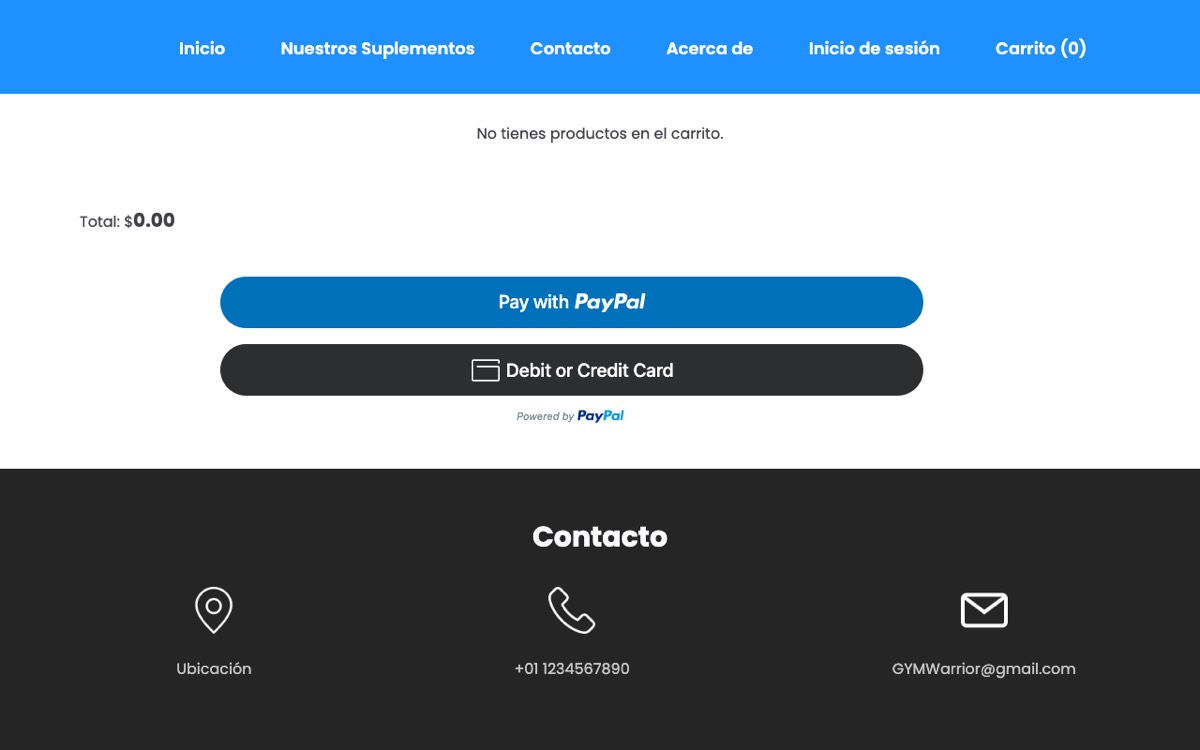
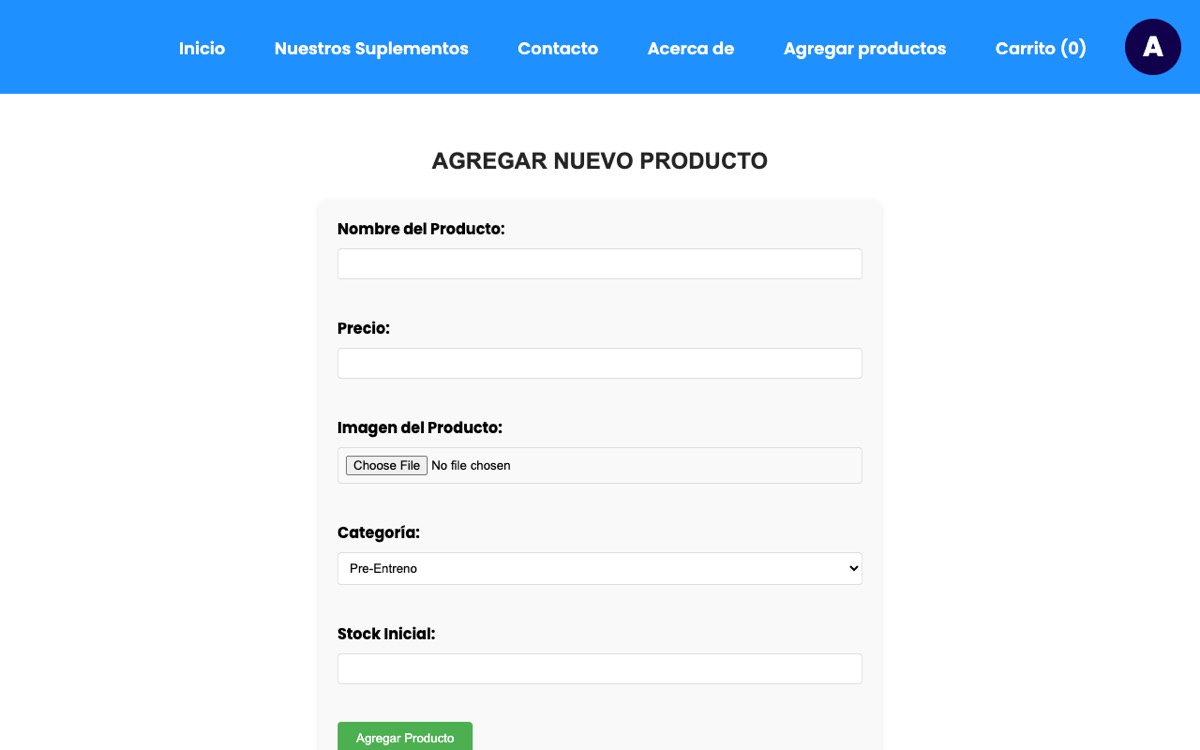
Screenshots of the hardened version running locally with fictional data. This is not a live demo: GitHub Pages doesn’t run PHP or MySQL.

What I learned
- Working isn’t the same as safe: the original did what it promised.
- Tests that fail before the fix are the best evidence the fix works.
- A free template is third-party code and deserves the same review.
- Protecting other people’s data comes before any visual improvement.
I did the hardening in 2026 with help from AI agents, reviewing and testing every change.